


2026 Mitsubishi Outlander near Frederick, MD

The 2026 Mitsubishi Outlander introduces a newly developed mild-hybrid system across all models, marking a complete transition to electrified drivetrains within the lineup. This system integrates a turbocharged internal combustion engine with a 48-volt electrical architecture designed to improve efficiency, responsiveness, and operational smoothness. The vehicle also carries forward prior updates to its suspension tuning, interior systems, and structural design. These enhancements collectively focus on measurable improvements in performance, fuel efficiency, and driver control. The result is a midsize SUV engineered with attention to system integration, component optimization, and consistent functionality across all trims.
Hybrid Powertrain Configuration and Output Characteristics
The 2026 Mitsubishi Outlander is equipped with a Mitsubishi-designed 1.5-liter four-cylinder turbocharged engine. This engine operates with a dual overhead camshaft configuration and a compression ratio of 10.5 to 1, which is notable for a turbocharged application. It is calibrated to run on regular unleaded gasoline with an octane rating of 87. The engine produces 174 horsepower at 6,000 revolutions per minute and delivers 206 pound-feet of torque between 3,000 and 4,000 revolutions per minute.
The internal combustion engine is paired with a 48-volt mild-hybrid system that incorporates a lithium-ion battery and a belt-driven starter generator. The battery is positioned beneath the third-row seating area, ensuring that passenger and cargo space remain unaffected by the hybrid components. This configuration allows the system to operate without compromising interior usability.
The belt-driven starter generator performs multiple functions that contribute to overall efficiency. It captures energy during deceleration and coasting phases and stores it within the 48-volt battery. During acceleration, the system provides supplemental torque to the crankshaft, which enhances responsiveness at lower engine speeds. The system also manages engine restart during automatic stop-start operation, allowing for reduced noise and vibration during ignition cycles.
The engine includes several modifications intended to improve thermal management and efficiency. These include a water-cooled intercooler, a cooled exhaust gas recirculation system, and a multi-flow control valve within the cooling system. A crankshaft isolation pulley reduces vibration at specific engine speeds, contributing to smoother operation. These combined changes improve fuel efficiency, reduce emissions, and enhance engine durability.
Fuel economy ratings reflect the benefits of hybridization. Front-wheel-drive models achieve 26 miles per gallon in city driving, 31 miles per gallon on the highway, and 28 miles per gallon combined. Models equipped with Super All-Wheel Control return 26 miles per gallon in city driving, 30 miles per gallon on the highway, and 27 miles per gallon combined. The fuel tank capacity is 14.5 gallons.
Disclaimer: 2026 EPA Fuel Economy Estimates: 26 City/31 Highway/28 Combined for Outlander ES, LE, SE & SEL 2WD, 26 City/30 Highway/27 Combined for Outlander ES, LE, SE, SEL & Trail Edition S-AWC. Actual mileage may vary with driving conditions. Use for comparison only.
Transmission Design and Mechanical Efficiency
The 2026 Mitsubishi Outlander uses a continuously variable transmission identified as the W1CJE unit, which has been specifically developed to integrate with the hybrid system. The system uses step-shift control to replicate the feel of a traditional automatic transmission during acceleration and deceleration.
The transmission is calibrated to optimize torque delivery across a wide range of driving conditions. The torque converter and gear ratio adjustments allow for smoother transitions and improved efficiency. This configuration ensures that the hybrid system and internal combustion engine operate in coordination, maintaining consistent performance output.
The automatic start-stop system is integrated with the transmission and hybrid system. When the vehicle is stationary and the brake pedal is engaged, the engine shuts down to reduce fuel consumption. The belt-driven starter generator restarts the engine with minimal vibration and reduced noise, which improves overall system refinement.
Structural Engineering and Exterior Design Elements
The exterior design of the 2026 Mitsubishi Outlander follows Mitsubishi’s “Bold Stride” concept, which emphasizes structural clarity and functional form. The body structure presents a horizontal orientation that supports aerodynamic efficiency and visual stability. The vehicle incorporates a wide stance with pronounced fender contours, which contributes to improved handling dynamics.
The front fascia features the Mitsubishi Dynamic Shield design, which integrates lighting and structural components into a cohesive system. All exterior lighting elements use light-emitting diode technology, including daytime running lights, headlamps, and fog lamps. The placement of the lighting system is engineered to maximize forward visibility while minimizing glare for other drivers.
Material selection plays a critical role in structural performance. The hood and front fenders are constructed from steel rather than aluminum, which enhances noise and vibration damping characteristics. This change also allows for tighter manufacturing tolerances, resulting in improved panel alignment and consistency.
The rear design incorporates a horizontal lighting layout with a T-shaped configuration that emphasizes width and stability. The rear structure includes a hexagonal motif inspired by previous Mitsubishi SUV models, which contributes to rigidity and visual continuity.
Wheel options include 18-inch and 20-inch alloy designs, depending on the trim level. Larger wheel sizes are paired with ventilated brake discs measuring 13.8 inches in the front and 13.0 inches in the rear. These components provide consistent braking performance and heat dissipation under varying driving conditions.
Interior System Layout and Material Integration
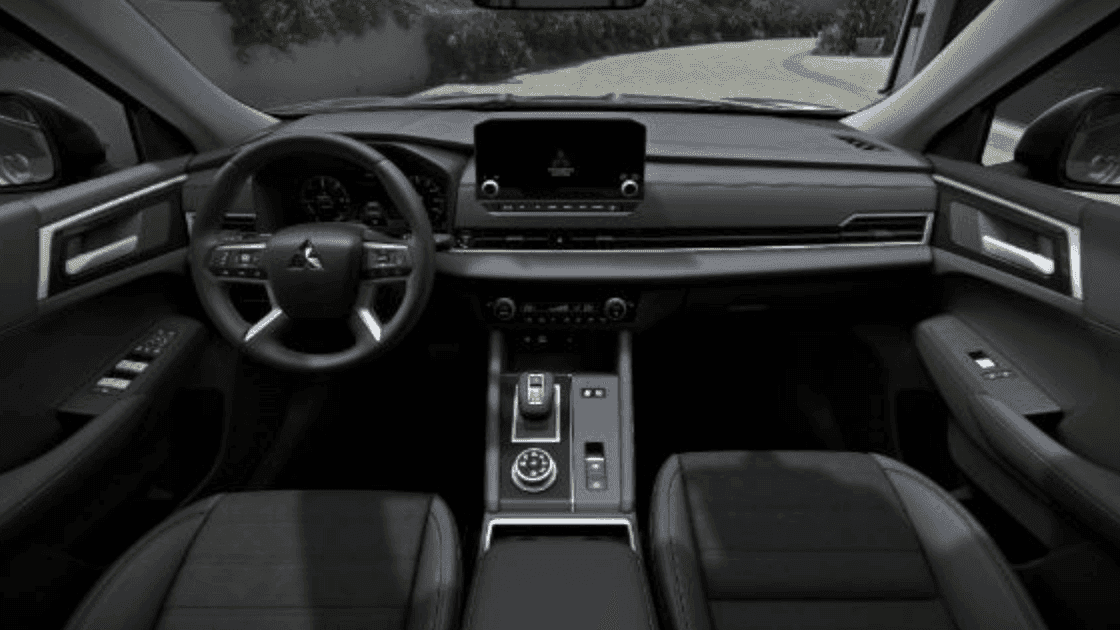
The interior of the 2026 Mitsubishi Outlander maintains the updated configuration introduced in the previous model year. The layout is designed to prioritize accessibility, with controls positioned for ease of use and minimal driver distraction. The central structure includes a horizontal axis that extends across the dashboard, integrating the instrument cluster and infotainment display into a unified visual plane.
A 12.3-inch digital driver display provides vehicle information with consistent graphical formatting. The infotainment system, also measuring 12.3 inches, features revised interface elements and improved clarity. The system is designed to present information in a structured manner, allowing for efficient interaction while driving.
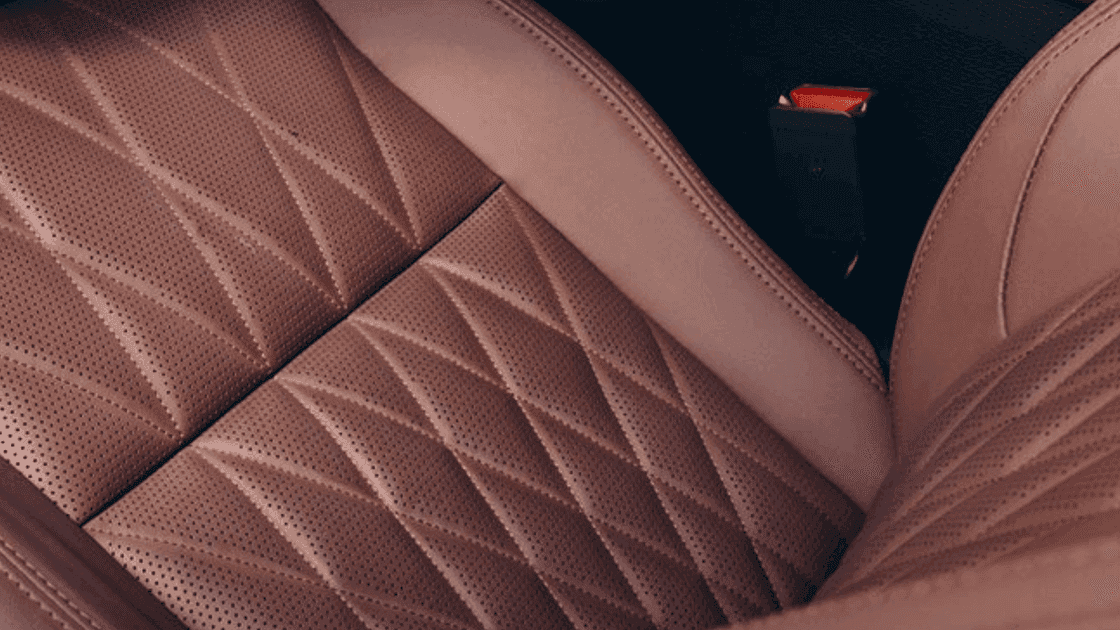
Materials used throughout the cabin are selected for durability and tactile consistency. Available seating surfaces include semi-aniline leather with diamond-pattern stitching, as well as synthetic leather options with suede-like inserts. Interior color configurations include Brick Brown and light gray, both of which are designed to maintain visual consistency across surfaces.
Seating systems are engineered for both comfort and flexibility. Front seats are available with heating and ventilation functions, while second-row seats can also be equipped with heating. The second-row seating configuration uses a 40:20:40 split, allowing for multiple cargo and passenger arrangements. Remote folding functionality is accessible from the cargo area, enabling quick adjustments without requiring access to the rear doors.
Interior lighting uses LED elements to provide consistent illumination with reduced glare. Storage compartments are positioned to support practical use, and the center console design has been refined to improve accessibility and organization.
Digital Systems and Audio Engineering
The 2026 Mitsubishi Outlander integrates digital systems that focus on clarity, consistency, and functional accessibility. The digital driver display and infotainment system share a unified design language, ensuring that fonts, colors, and graphical elements remain consistent across all screens. This approach reduces cognitive load and simplifies interaction.
An available head-up display projects key driving information onto the windshield, allowing the driver to access essential data without diverting attention from the road. The system is designed to present information in a clear and unobtrusive format.
The vehicle is equipped with a Yamaha®-developed audio system, which is engineered specifically for the 2026 Mitsubishi Outlander. This system is designed to deliver accurate sound reproduction across a range of frequencies, providing consistent audio quality throughout the cabin. The system supports SiriusXM® 360L, which combines satellite and streaming content for expanded audio access.
A digital rearview mirror is available, offering both traditional mirror functionality and a camera-based display. This system improves rearward visibility in situations where the rear window is obstructed. The camera view remains clear due to its integration with the rear wiper system.
Driving Stability and Control Systems
The 2026 Mitsubishi Outlander offers both front-wheel-drive and all-wheel-drive configurations. Models equipped with Super All-Wheel Control use an integrated system that distributes torque between the front and rear wheels based on driving conditions. This system enhances traction and stability on various surfaces, including wet or uneven terrain.
The suspension system has been recalibrated to improve ride quality and handling precision. Adjustments to steering response and damping characteristics contribute to improved control during cornering and highway driving. These changes are intended to provide consistent feedback to the driver while maintaining passenger comfort.
The braking system, combined with the hybrid energy recovery system, supports efficient deceleration and energy capture. The coordination between mechanical braking and regenerative braking contributes to overall system efficiency.
Visit Younger Mitsubishi near Frederick, MD
Drivers seeking a detailed understanding of the 2026 Mitsubishi Outlander can evaluate its hybrid system, transmission behavior, and integrated technologies through a direct driving experience. The interaction between the turbocharged engine and the 48-volt hybrid system can be observed during acceleration and stop-start operation. The transmission response and steering calibration can be assessed across different driving conditions to understand their functional characteristics. The interior systems, including the digital displays and audio configuration, can be reviewed in operation to evaluate usability and clarity. Visit Younger Mitsubishi near Frederick, MD, to schedule a test drive and examine how the vehicle’s engineering systems perform under controlled conditions.