


2026 Mitsubishi Outlander near Hagerstown, MD
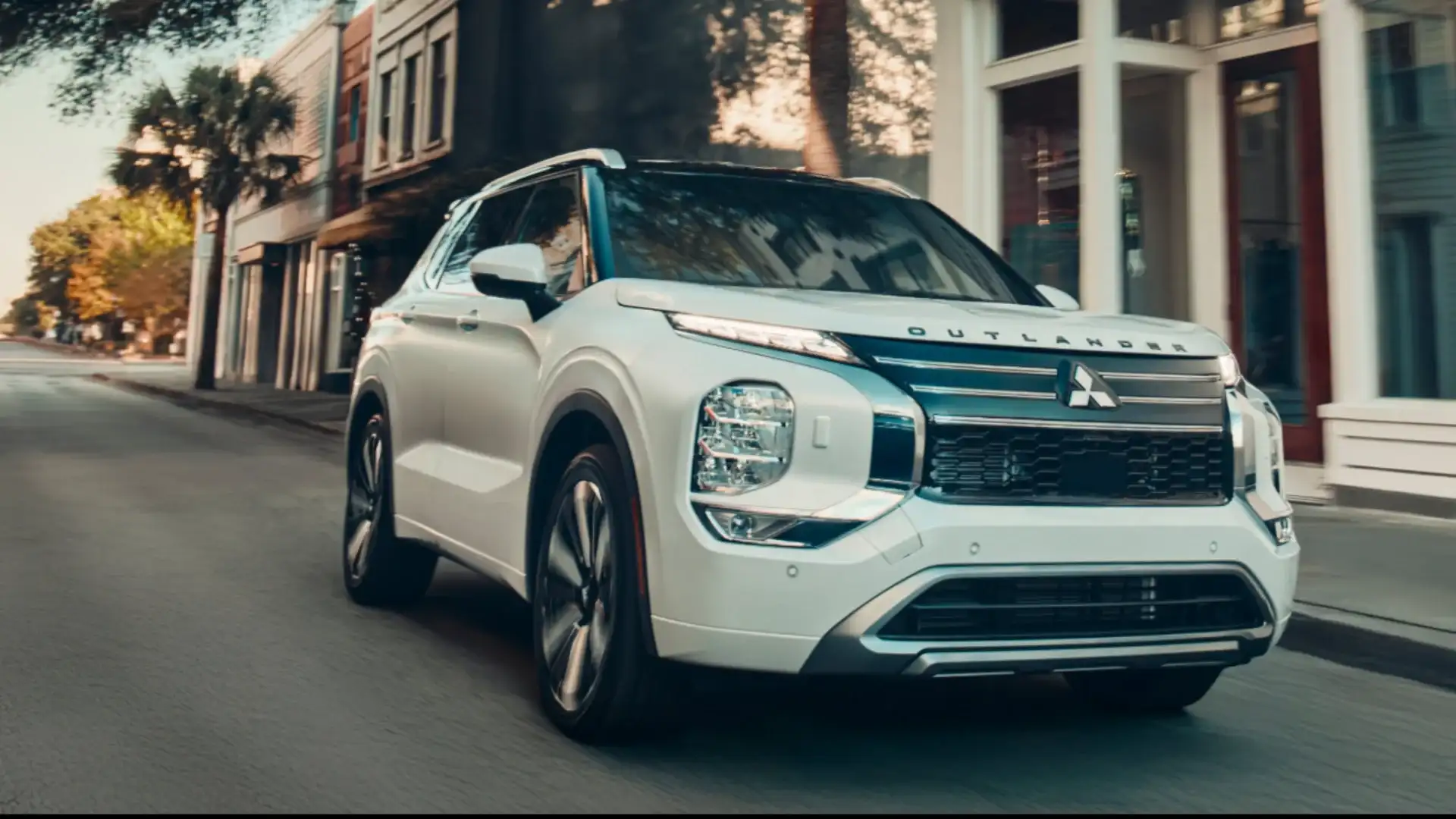
The 2026 Mitsubishi Outlander introduces a new Mitsubishi-designed mild-hybrid powertrain while carrying forward the extensive updates introduced for the previous model year. Every 2026 Mitsubishi Outlander model is now electrified, marking an important development for the lineup. Along with its revised powertrain, the three-row SUV continues to offer updated steering and suspension tuning, advanced connectivity features, refined interior materials, and available Super-All Wheel Control.
Powertrain and Hybrid Technology
The 2026 Mitsubishi Outlander features a new mild-hybrid powertrain developed by Mitsubishi Motors. Replacing the previous non-hybrid engine, this system combines a turbocharged gasoline engine with a 48-volt electrical architecture. All 2026 Mitsubishi Outlander models are now equipped with an electrified driveline, providing a blend of efficiency and responsive performance. The new powertrain also introduces a revised continuously variable transmission and enhanced operating characteristics.
Turbocharged Engine Design
The internal combustion engine used in the 2026 Mitsubishi Outlander is a Mitsubishi-designed 1.5-liter turbocharged four-cylinder twin-cam engine identified as the 4B40 Version 2. Derived from the powerplant used in the Eclipse Cross, this engine incorporates several modifications intended to improve cooling and efficiency. A compression ratio of 10.5:1 allows operation on regular 87-octane gasoline. Output is rated at 174 horsepower at 6,000 rpm and 206 pound-feet of torque between 3,000 and 4,000 rpm. Mitsubishi also added a crankshaft isolation pulley, a water-cooled intercooler, a cooled EGR valve, and a multi-flow control valve to enhance efficiency and reduce emissions.
48-Volt Battery System and Belt Starter Generator
The hybrid system utilizes a 48-volt lithium-ion battery positioned beneath the third-row seat. This location preserves passenger accommodations and cargo capacity while integrating the additional electrical components. A belt starter generator performs multiple functions, including energy recovery and engine restart operation during automatic start-stop events. The system also provides supplemental torque during acceleration below 4,300 rpm. By reducing the load typically imposed by a conventional alternator, the belt starter generator contributes to improved efficiency and lower parasitic losses.
Transmission Operation and Fuel Economy
The 2026 Mitsubishi Outlander uses a new W1CJE continuously variable transmission designed specifically to work with the mild-hybrid system. The transmission incorporates an eight-speed sport mode with optimized torque converter characteristics and step-shift control. These functions provide quicker speed changes and a more direct driving feel during acceleration. Front-wheel-drive models achieve fuel economy ratings of 26 mpg in the city, 31 mpg on the highway, and 28 mpg combined. Models equipped with Super-All Wheel Control return 26 mpg city, 30 mpg highway, and 27 mpg combined, and every model uses a 14.5-gallon fuel tank.
Disclaimer: *⁵ 2026 EPA Fuel Economy Estimates: 26 City/31 Highway/28 Combined for Outlander ES, LE, SE, SEL & Black Editon 2WD, 26 City/30 Highway/27 Combined for Outlander ES, LE, SE, SEL, Trail Edition, RALLIART & Black Edition S-AWC. Actual mileage may vary with driving conditions. Use for comparison only.
Super-All Wheel Control and Drive Modes
The 2026 Mitsubishi Outlander is available with either front-wheel drive or Super-All Wheel Control All-Wheel Drive. This system integrates several vehicle control technologies to optimize traction and stability. Sensors continuously monitor vehicle behavior and driver inputs, allowing the system to distribute torque and braking force as needed. Active Yaw Control, Active Stability Control, and Anti-lock Braking System functions work together to support confident handling. The electronically controlled Four-Wheel Drive system employs a hydraulic clutch driven by an electric motor for precise torque distribution.
Drive Mode Functionality
The drive mode system allows drivers to tailor vehicle characteristics to different surfaces and operating conditions. Super-All Wheel Control models offer six drive modes, while front-wheel-drive versions include five settings. Eco mode prioritizes fuel-efficient operation, while Normal mode is intended for everyday driving. Tarmac mode emphasizes vehicle dynamics on paved roads, and Gravel mode is calibrated for improved traction on loose surfaces. Snow mode focuses on directional stability on slippery roads, and Mud mode is reserved for All-Wheel Drive models operating in muddy terrain or deep snow.
Steering, Suspension, and Braking Systems
The 2026 Mitsubishi Outlander received extensive steering and suspension revisions that continue into the current model year. These changes were designed to balance ride comfort, driver confidence, and handling precision. Mitsubishi engineers returned key components while maintaining the vehicle’s responsiveness and stability. Lightweight suspension components also contribute to improved chassis behavior.
Electric Power Steering
The 2026 Mitsubishi Outlander uses a dual-pinion electric power steering system with motors positioned close to the wheel ends. This arrangement provides linear steering response and minimizes lag during directional changes. Mitsubishi recalibrated the steering system to deliver greater on-center weight and increased confidence across a variety of driving situations. Selecting Tarmac mode adds additional steering weight and enhanced feedback. The vehicle’s tight turning radius further contributes to maneuverability in confined spaces.
Suspension Components and Chassis Tuning
Forged aluminum front lower arms and rear upper arms help reduce weight while maintaining rigidity. Aluminum front and rear knuckles further contribute to the chassis structure. Hollow stabilizer bars are used at both ends to reduce mass and improve roll stiffness. Mitsubishi revised spring rates and shock absorber tuning to reduce initial impact harshness and improve ride comfort. Engineers also reduced the front stabilizer bar diameter from 25 mm to 23.5 mm as part of the overall suspension calibration.
Brake System Design
Large ventilated brake discs complement the 2026 Mitsubishi Outlander’s wheel and tire combinations. Front brake rotors measure 13.8 inches in diameter, while rear discs measure 13.0 inches. These dimensions provide braking capability suited to the vehicle’s size and performance characteristics. Brake control functions are integrated with other stability systems on both front-wheel-drive and All-Wheel Drive models.
Exterior Design and Lighting
The exterior design of the 2026 Mitsubishi Outlander follows the themes of “I-Fu-Do-Do” and “Bold Stride.” These concepts emphasize a strong visual presence and reinforce the SUV’s identity. Sculpted body surfaces and prominent proportions contribute to a distinctive appearance. Design elements also reflect Mitsubishi Motors’ SUV heritage and engineering approach.
Body Structure and Styling Elements
The front fascia incorporates the Dynamic Shield design language, creating a bold appearance with a wide stance. Strong shoulders and muscular fender flares enhance the vehicle’s proportions. A jet tail fin rear pillar gives the roofline a floating appearance and adds visual character to the side profile. The rear section adopts the Hexaguard Horizon concept, while T-shaped taillights emphasize width and stability.
LED Lighting and Wheel Designs
All exterior and interior lighting elements use LED technology. High-mounted daytime running lamps improve visibility, while low-mounted headlamps help reduce glare for oncoming traffic. LED fog lamps are positioned to improve light penetration in difficult weather conditions. Wheel choices include 18-inch alloy wheels on ES models and 20-inch alloy wheels on higher trims. The larger wheel designs contribute to the 2026 Mitsubishi Outlander’s distinctive appearance and are paired with large ventilated brake discs.
Interior Design and Comfort Features
The cabin of the 2026 Mitsubishi Outlander carries forward the interior revisions introduced previously. The center console layout emphasizes convenience and ease of use, while new materials and colors enhance overall refinement. Physical controls are positioned for intuitive operation and are designed to provide precise feedback. The horizontal dashboard layout creates an open appearance and incorporates large digital displays.
Seating and Passenger Accommodations
Select trims offer heated and ventilated front seats, and heated second-row seats are available. Second-row seating incorporates optimized urethane padding and support wire arrangements to improve ride comfort. Seatback dimensions are intended to distribute pressure evenly and provide shoulder support. The second row uses a 40:20:40 split-folding configuration, allowing passengers and longer cargo items to be accommodated simultaneously. With the second and third rows folded, cargo length measures 80.3 inches.
Storage Solutions and Cabin Functionality
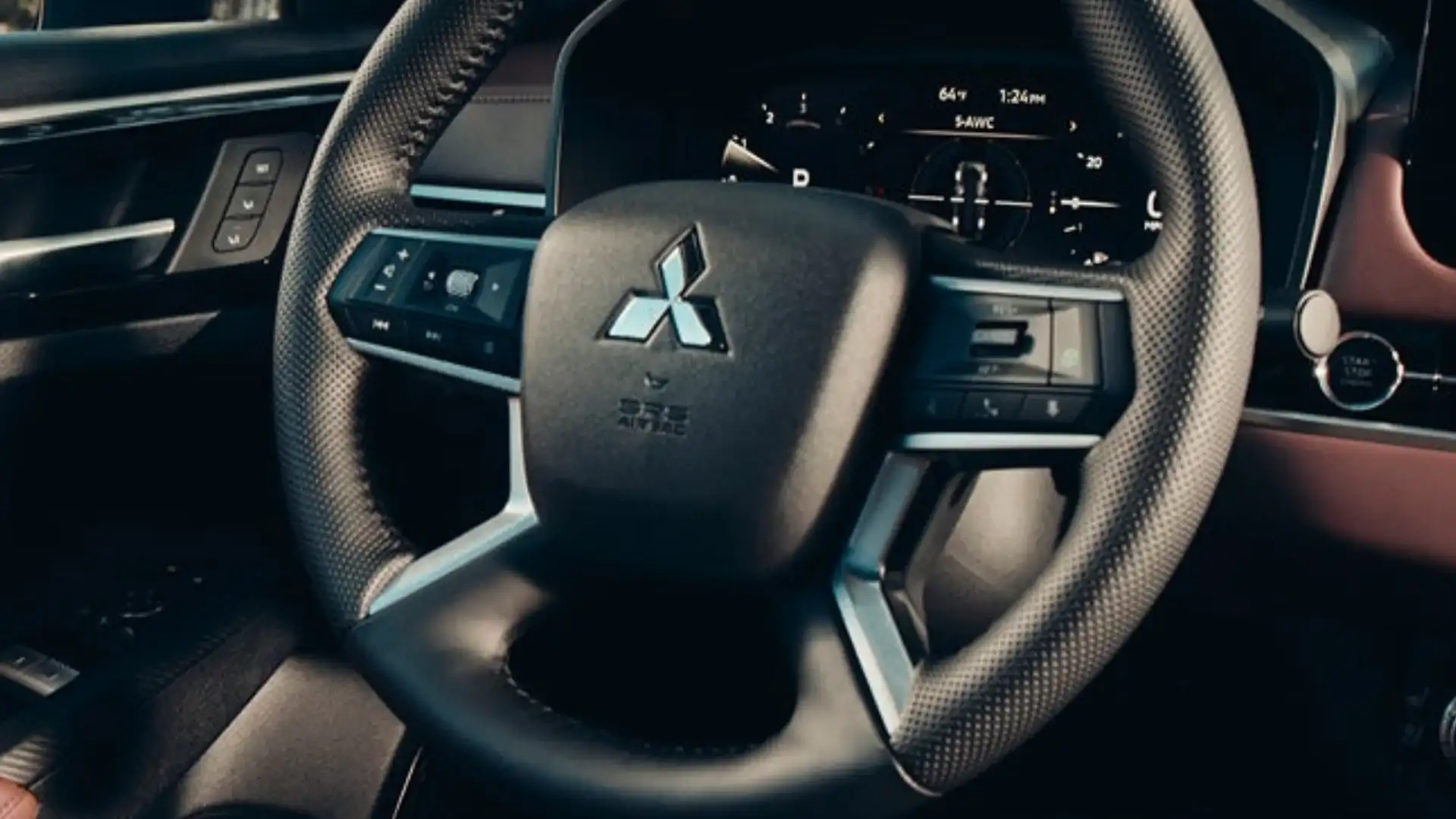
Mitsubishi increased center armrest storage capacity to 268.5 cubic inches. Cupholders were repositioned closer to the gear selector to improve accessibility. Each cupholder uses a slightly different angle, allowing larger cups to fit without interference. The wireless charging pad was shaped to maintain consistent phone positioning and charging performance. An available heated steering wheel and leather-wrapped steering wheel further enhance occupant comfort.
Interior Materials and Ambient Features
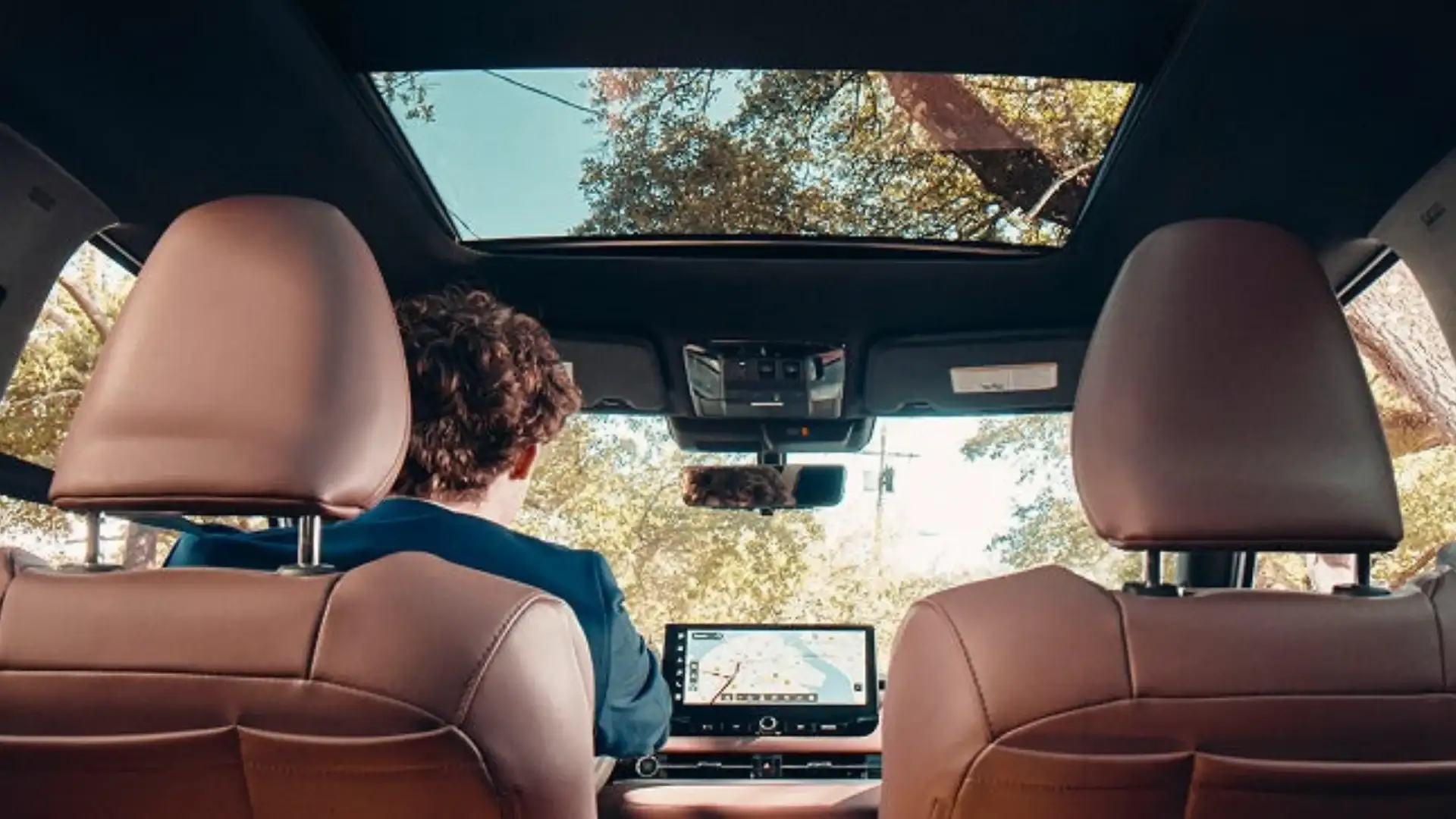
Higher trim levels offer semi-aniline leather seating surfaces with diamond stitching on the seats and door panels. Brick Brown interior color options add another layer of sophistication to the cabin. Mid-level trims feature light gray synthetic leather combined with suede-like fabric inserts. Black Edition models receive black synthetic leather and suede-like upholstery. Ambient lighting integrated into the doors contributes to a calm cabin environment, while LED interior lighting provides focused illumination with minimal glare.
Technology and Connectivity
The 2026 Mitsubishi Outlander integrates multiple digital displays and connectivity features designed to support everyday operation. Standard equipment includes a 12.3-inch center-mounted infotainment system and a 12.3-inch Digital Driver Display. Consistent graphics and font treatments create a unified interface across the cabin. An available head-up information display provides additional information directly within the driver’s field of vision.
Infotainment and Smartphone Integration
The 12.3-inch Smartphone-link Display features a 1280 x 720 high-resolution touch screen and an enhanced graphical interface. Wireless Apple CarPlay® and wireless Android Auto™ allow compatible devices to connect without cables. Drivers and passengers can access navigation, communication, and entertainment functions directly through the display. Revised graphics improve readability and simplify operation.
Digital Rearview Mirror and Connected Services
An available frameless digital rearview mirror offers both traditional mirror operation and a camera-generated image. This feature can improve rearward visibility when passengers, cargo, or weather conditions obstruct the rear window. Mitsubishi Connect provides remote access functions, including door lock and unlock, climate control adjustments, remote lighting functions, and vehicle location features. Additional capabilities include vehicle status reports, automatic collision notification, SOS emergency assistance, and navigation-related services. Security functions also support roadside assistance and alarm notifications.
Yamaha Audio System Engineering
The 2026 Mitsubishi Outlander offers two Yamaha-developed audio systems that were engineered specifically for the vehicle. Dynamic Sound Yamaha Premium uses eight speakers, while Dynamic Sound Yamaha Ultimate adds a subwoofer and produces 1,650 watts through a 12-speaker configuration. Mitsubishi and Yamaha collaborated closely to integrate the audio systems with the vehicle structure. Additional sound insulation and revised door designs support speaker performance while reducing unwanted noise.
Acoustic Tuning and Sound Modes
The audio systems incorporate Yamaha digital signal processing and dual amplifiers dedicated to different frequency ranges. Finite Impulse Response tuning technology was adapted from Yamaha professional sound equipment. Four listening modes, including Lively, Signature, Powerful, and Relaxing, allow occupants to tailor the listening experience. Five listening positions can also be selected to optimize sound distribution throughout the cabin. Additional compensation functions adjust volume and frequency response to account for vehicle speed, rainfall, and ventilation system operation.
Structure and Safety Engineering
The 2026 Mitsubishi Outlander uses Mitsubishi Motors’ Reinforced Impact Safety Evolution unibody structure. Ultra-high tensile-strength steel with hot stamping surrounds the passenger compartment and helps resist deformation during collisions. Reinforced floor members and suspension structures are designed to absorb and distribute impact energy. These measures also contribute to ride quality and structural rigidity.
Noise Reduction and Occupant Protection
Sound insulation and sound-deadening materials are positioned throughout 18 areas of the body structure. Additional isolation materials were added to components, including door panels, pillars, carpeting, the center console, and the transmission tunnel. These revisions reduce road noise and improve overall sound isolation inside the cabin. All models include a front center airbag positioned between the driver and front passenger. During a side collision, this airbag helps reduce the possibility of contact between occupants.
Schedule a Test Ride Today
We invite drivers to experience the engineering, comfort, and technology offered by the 2026 Mitsubishi Outlander at Younger Mitsubishi near Hagerstown, MD. Our team can demonstrate the mild-hybrid powertrain, digital displays, Yamaha audio systems, and available Super-All Wheel Control features. A test drive provides an opportunity to evaluate the vehicle’s handling characteristics, seating comfort, and connected technologies. Drivers can also explore the cabin layout, cargo flexibility, and safety-focused engineering features. We look forward to helping you discover how the 2026 Mitsubishi Outlander combines efficiency, utility, and advanced technology in a three-row SUV.