


2026 Mitsubishi Outlander PHEV within Owings Mills, MD
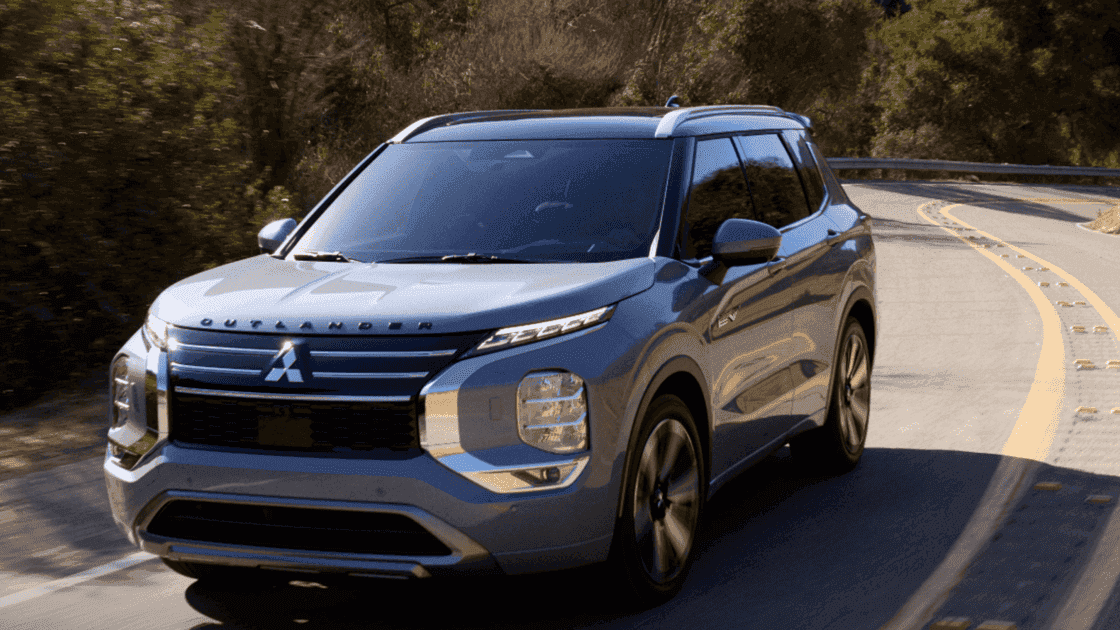
The 2026 Mitsubishi Outlander PHEV receives a mid-cycle refresh that updates its plug-in hybrid system, driving dynamics, exterior design, cabin, comfort equipment, and technology. A larger-capacity drive battery increases all-electric range, reduces internal combustion engine operation, and contributes to improved on-road acceleration. Mitsubishi also revised the steering and suspension tuning to produce a more confident and assured driving feel. Interior changes include additional attention to sound-deadening, new materials and colors, updated front-seat comfort features, and redesigned storage components. A standard Yamaha® audio system, an available 12.3-inch infotainment display, and twin-motor Super-All Wheel Control further define the technical scope of the updated plug-in hybrid SUV.
Plug-in hybrid performance and all-wheel control
The 2026 Mitsubishi Outlander PHEV combines its internal combustion engine with a larger-capacity drive battery and powerful front and rear motors. This configuration supports all-electric operation while retaining the functional flexibility of a plug-in hybrid powertrain. The increased battery capacity affects electric range, engine operation, and acceleration performance. Mitsubishi also integrates the front and rear motors with its Super-All Wheel Control system. These components connect the model’s electrified propulsion hardware with its management of driving and braking forces.
Larger-capacity drive battery
The updated drive battery represents one of the most significant mechanical changes for the 2026 Mitsubishi Outlander PHEV. Its increased capacity allows the vehicle to travel farther using electric power, although Mitsubishi has not published a final all-electric range figure. The larger battery also decreases the amount of time the internal combustion engine runs. This change increases the role of electric operation within the plug-in hybrid system without eliminating the gasoline engine. The battery update therefore influences how the two propulsion sources divide their operating responsibilities.
Mitsubishi also identifies the larger-capacity drive battery as a contributor to improved on-road acceleration. The available information does not specify battery output, total system output, or acceleration times, but it directly connects the revised battery to stronger acceleration performance. This gives the battery a performance function in addition to its effect on electric range. The change supports longer all-electric operation while improving the vehicle’s response during acceleration. These attributes make the battery revision central to the mechanical updates introduced for the 2026 Mitsubishi Outlander PHEV.
Twin-motor S-AWC system
Every 2026 Mitsubishi Outlander PHEV uses powerful front and rear motors to provide a twin-motor all-wheel-drive configuration. Mitsubishi pairs these motors with its motorsport-inspired Super-All Wheel Control system, commonly identified as S-AWC. The system incorporates Active Yaw Control and manages the driving forces and braking forces of all four wheels. This integrated vehicle dynamics control system seeks to produce vehicle behavior that responds faithfully to the driver’s operation. Its control strategy functions under a variety of driving conditions.
The front and rear motors provide the foundation for the model’s electrified all-wheel-drive arrangement. S-AWC coordinates the forces acting through the four wheels instead of controlling propulsion alone. Its ability to manage driving and braking forces links power delivery with vehicle behavior. Active Yaw Control operates as part of that integrated management strategy. S-AWC supports driver control, but it does not replace safe and careful driving.
The twin-motor layout gives the 2026 Mitsubishi Outlander PHEV a direct connection between its electrified propulsion system and its all-wheel-drive technology. The larger-capacity battery supports the electric motors, while S-AWC manages forces across the vehicle’s four wheels. This relationship allows the propulsion and vehicle-dynamics systems to operate as coordinated parts of the same configuration. Mitsubishi retains this twin-motor S-AWC arrangement as standard equipment across the 2026 Mitsubishi Outlander PHEV lineup. The system remains a defining technical feature of the plug-in hybrid SUV.
Steering, suspension, and driving dynamics
Mitsubishi revised the steering and ride quality of the 2026 Mitsubishi Outlander PHEV through extensive chassis tuning. The update encompasses several suspension components rather than focusing on a single piece of hardware. Mitsubishi specifically revised the dampers, springs, stabilizer bars, and bushings. These changes work together to produce a more confident and assured driving feel. They also complement the acceleration improvements associated with the larger-capacity drive battery.
Coordinated suspension tuning
Revised dampers form one part of the updated suspension calibration. Dampers manage suspension movement, so their tuning contributes directly to the vehicle’s response as the wheels travel over changing road surfaces. Mitsubishi also adjusted the springs as part of the same chassis program. The stabilizer bars and bushings received additional revisions to support the broader changes in ride behavior. Updating these components together allows the suspension to operate as a coordinated system.
The springs support the vehicle while allowing controlled suspension movement. Stabilizer bars influence body motion, and bushings define important connection points between chassis components. Dampers regulate the movement generated as the suspension responds to the road. Mitsubishi tuned all four areas to revise ride quality rather than identifying one component as the sole source of improvement. This combined approach gives the 2026 Mitsubishi Outlander PHEV a more comprehensive chassis update.
The revised suspension works alongside the vehicle’s updated steering characteristics. Mitsubishi does not provide individual calibration values, spring rates, or damper specifications for the 2026 Mitsubishi Outlander PHEV. Instead, it describes the resulting vehicle behavior as more confident and assured. That description reflects the collective effect of the steering and suspension revisions. The changes address the way the 2026 Mitsubishi Outlander PHEV responds to driver input and road conditions without altering the established twin-motor S-AWC configuration.
Integration with S-AWC
The revised steering and suspension hardware complement the force management provided by S-AWC. While the suspension controls wheel and body movement, S-AWC manages driving and braking forces at all four wheels. Active Yaw Control forms part of this integrated vehicle-dynamics system. Together, these systems influence how the 2026 Mitsubishi Outlander PHEV follows driver commands under varied operating conditions. Mitsubishi’s updates therefore address both mechanical chassis behavior and electronically managed wheel forces.
The update extends across several aspects of the driving experience. The larger-capacity battery contributes to improved on-road acceleration, while the front and rear motors provide the twin-motor all-wheel-drive arrangement. Revised steering affects directional response, and the recalibrated suspension addresses ride quality. S-AWC coordinates driving and braking forces through its integrated control strategy. These systems give the refreshed 2026 Mitsubishi Outlander PHEV a connected set of propulsion and chassis updates.
Exterior design and interior functionality
The 2026 Mitsubishi Outlander PHEV receives exterior and interior revisions as part of its mid-cycle update. Exterior changes focus on the grille area, front bumper, wheels, and rear lighting. The redesigned cabin introduces new materials and colors while placing additional emphasis on sound-deadening. Mitsubishi also revised several frequently used interior features, including the center console, armrest storage, cupholders, and phone charger. Heated and cooled front seats add another functional change to the passenger environment.
Updated exterior elements
A revised grille area of the 2026 Mitsubishi Outlander PHEV changes the appearance of the front end. Mitsubishi pairs this grille treatment with a redesigned front bumper to create a coordinated update across the forward portion of the body. New 20-inch wheels add another clearly identified design element. At the rear, smoked taillights revise the appearance of the lighting assemblies. These changes update the front, side, and rear areas without introducing unsupported claims about body dimensions or aerodynamic performance.
The 20-inch wheel size provides a specific exterior equipment detail for the refreshed model. Mitsubishi does not identify additional wheel dimensions, materials, or construction methods. The confirmed exterior revisions remain limited to the grille area, front bumper, wheels, and smoked rear taillights. Each element contributes to the visual distinction of the 2026 Mitsubishi Outlander PHEV. This focused approach gives the vehicle a recognizable update while keeping its exterior changes tied to specific components.
Cabin refinement and front-seat comfort
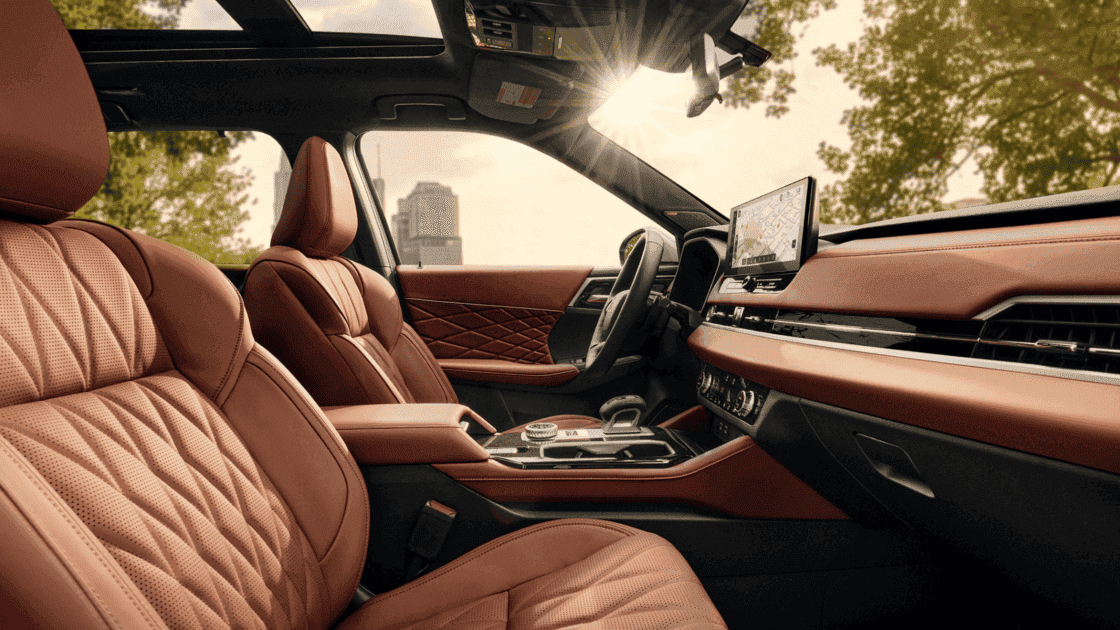
The redesigned interior includes significant attention to sound-deadening. This refinement supports a quieter passenger environment and complements the model’s electrified operation. Mitsubishi also introduces new interior materials and colors for the 2026 Mitsubishi Outlander PHEV. The available information does not identify specific material compositions or color selections. However, their inclusion confirms that the cabin refresh extends beyond equipment changes and into the interior’s surfaces and presentation.
Heated and cooled front seats expand the climate-related comfort equipment available to the driver and front passenger. The heating function supplies warmth through the seat surfaces, while the cooling function provides an additional method of managing front-seat comfort. Mitsubishi includes both functions as part of the redesigned interior. These features accompany the new materials, colors, and sound-deadening measures. The result is a cabin update that addresses comfort, appearance, and noise control through distinct revisions.
Redesigned console and storage
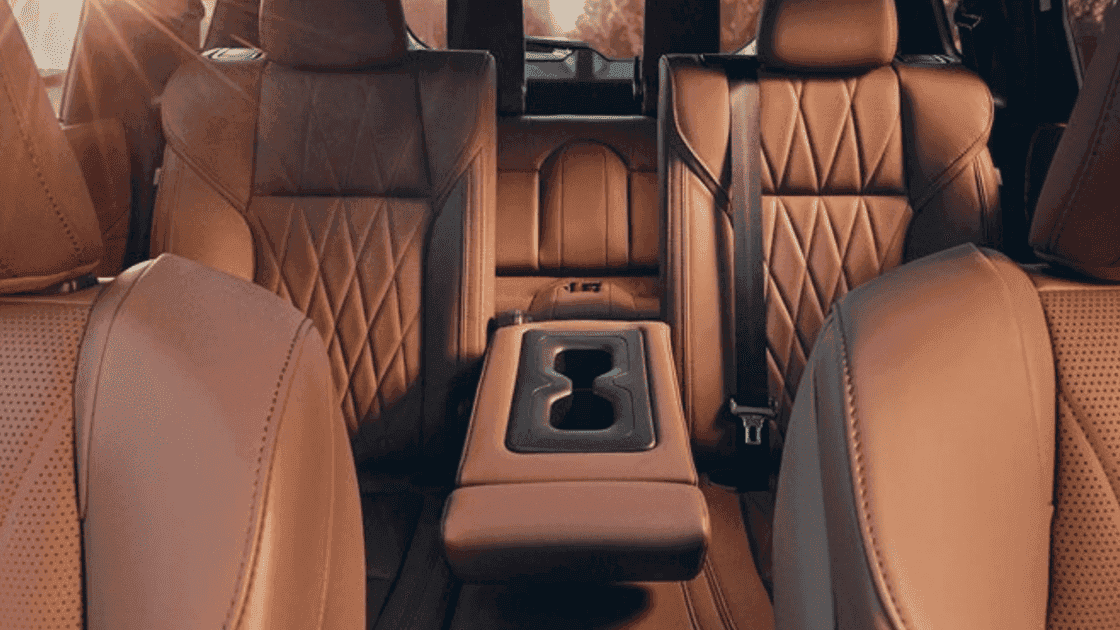
Mitsubishi redesigned the center console to improve the functionality of the area between the front seats. The revised console includes a larger-capacity armrest storage compartment. This expanded compartment provides additional enclosed storage within a frequently used part of the cabin. New cupholders accompany the storage revision and further update the console area. These changes focus on practical features that occupants use during routine driving.
The phone charger also receives a redesign for the 2026 Mitsubishi Outlander PHEV. Mitsubishi does not specify the charger’s output, compatibility requirements, or charging speed, so its confirmed update concerns the redesigned component itself. The charger joins the larger armrest compartment and new cupholders as part of the revised front-cabin layout. These details connect device management, beverage placement, and enclosed storage within the updated console area. The changes improve the organization of the cabin through specific functional components.
Audio and infotainment technology
The technology updates in the 2026 Mitsubishi Outlander PHEV focus on audio, infotainment, and personal-device support. A Yamaha audio system comes standard on the refreshed vehicle. Mitsubishi also offers an available 12.3-inch infotainment display. The redesigned phone charger adds another technology-related change within the cabin. These features operate alongside the revised interior materials, comfort equipment, storage, and sound-deadening measures.
Standard Yamaha audio
Every 2026 Mitsubishi Outlander PHEV includes a Yamaha audio system as standard equipment. Mitsubishi identifies this system as exclusive within the U.S. automotive industry. Standard installation places the Yamaha system across the updated model rather than restricting it to the available 12.3-inch display. The audio system represents one of the most prominent technology additions associated with the mid-cycle refresh. It also gives the redesigned passenger compartment a clearly identified audio specification.
The increased attention to sound-deadening provides an appropriate cabin environment for the standard Yamaha system. Reduced intrusion from exterior and mechanical noise can help occupants hear audio content more clearly, although Mitsubishi does not provide measured sound levels. The available information also does not specify speaker quantity, amplifier output, or individual audio modes. The system’s verified attributes remain its Yamaha branding, standard status, and U.S.-industry-exclusive designation. This information defines the audio equipment without introducing unsupported technical details.
Available 12.3-inch infotainment display
An available 12.3-inch infotainment display provides the principal confirmed interface update for the 2026 Mitsubishi Outlander PHEV. Its published size establishes a clear specification for the available screen. Mitsubishi does not identify the applications, connectivity functions, menu structure, or software associated with the display. The confirmed description therefore centers on its 12.3-inch measurement and availability. This distinction preserves technical accuracy while identifying the display as an important component of the refreshed cabin.
The available display operates within an interior that also contains the standard Yamaha audio system and redesigned phone charger. Each component serves a separate function related to information, audio, or personal-device use. Mitsubishi integrates these features with the redesigned console, larger-capacity armrest storage, and new cupholders. Heated and cooled front seats and additional sound-deadening further expand the cabin update. The combined revisions give the 2026 Mitsubishi Outlander PHEV a more extensively updated interior without relying on unconfirmed equipment descriptions.
Schedule a Test Ride within Owings Mills, MD
Schedule a test drive with Younger Mitsubishi within Owings Mills, MD, to examine the 2026 Mitsubishi Outlander PHEV directly. Our team can help you review its larger-capacity drive battery, twin-motor S-AWC system, revised suspension tuning, and steering characteristics. You can also experience the heated and cooled front seats, the standard Yamaha audio system, available 12.3-inch infotainment display, and redesigned cabin features. A test drive provides an opportunity to assess the model’s acceleration, comfort, handling, technology, and integrated vehicle-control systems. Contact us to arrange a visit and learn more about the functional changes introduced for the 2026 Mitsubishi Outlander PHEV.